How to Prevent Frozen Pipes in December: Essential Plumbing Protection Guide
December 4th, 2025
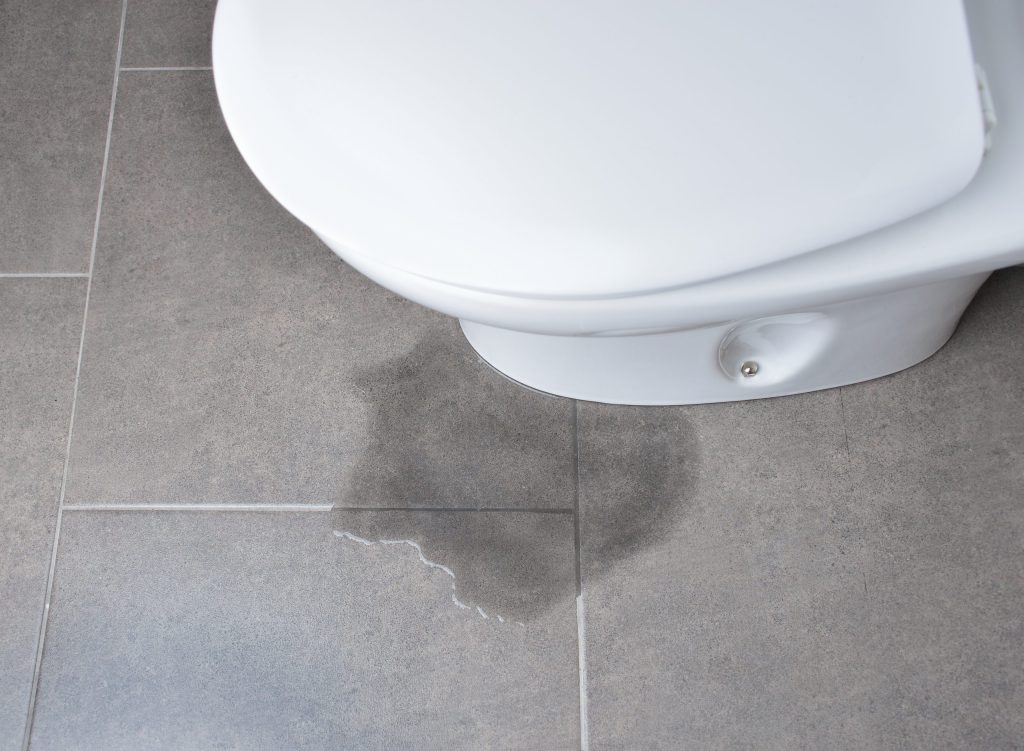
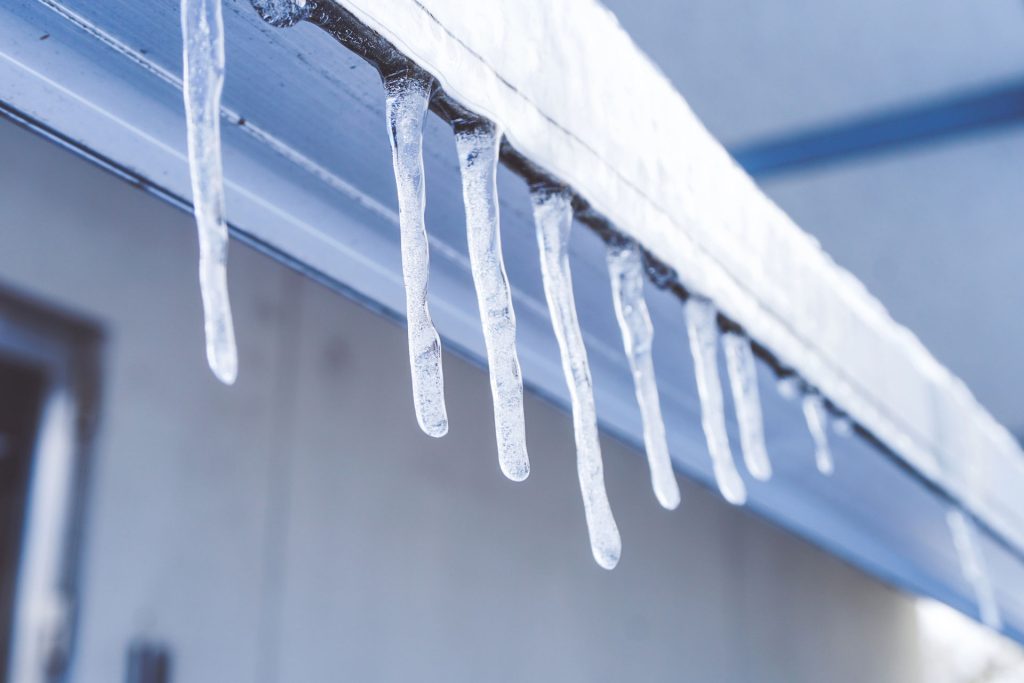
December brings the first deep freezes of the season, and with them comes one of the most expensive winter plumbing issues: frozen pipes. When water freezes inside a pipe, it expands and can cause the pipe to burst, resulting in major damage. Fortunately, a few simple preventative measures can save you time, money, and stress.
- Insulate Exposed Pipes
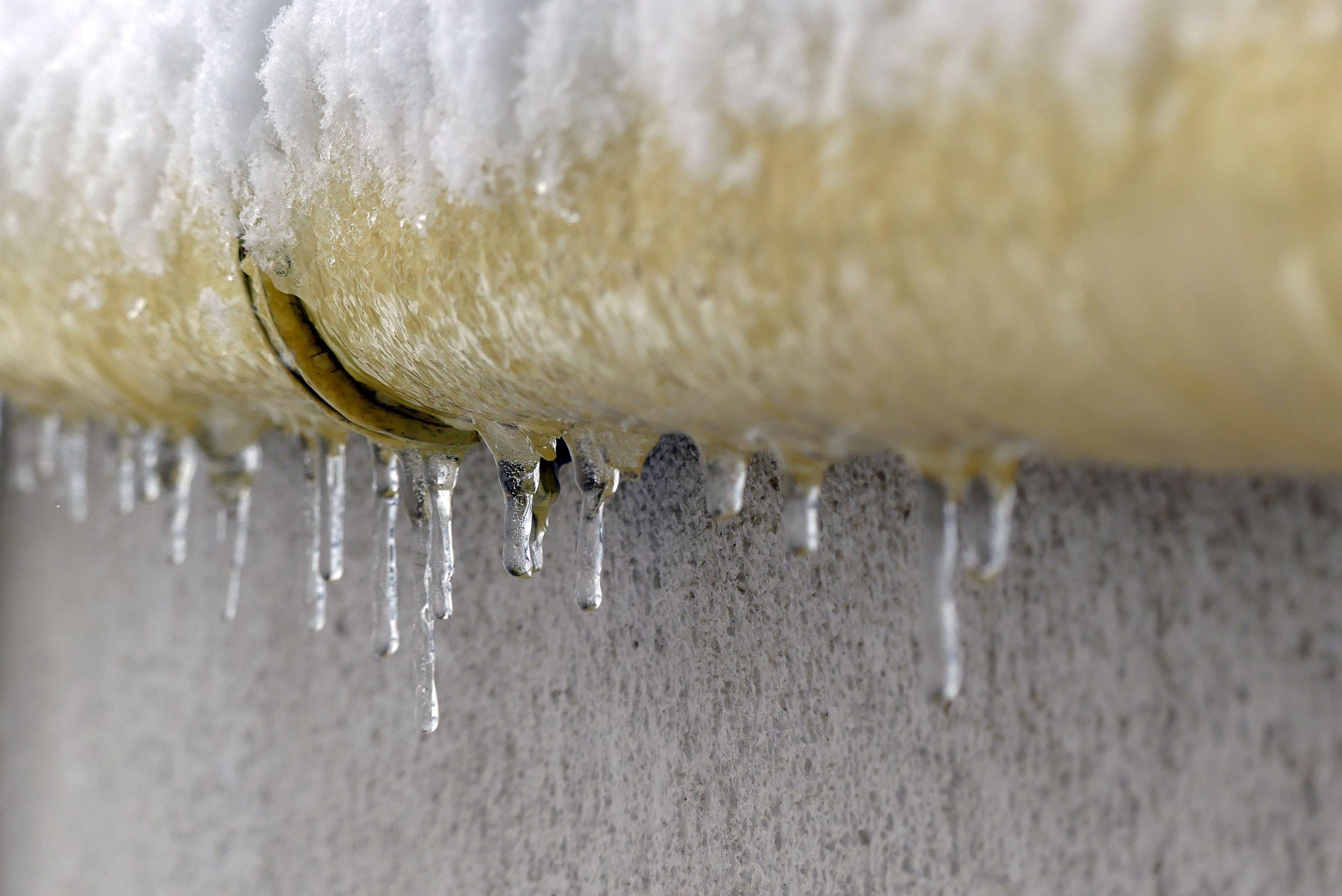
Pipes in unheated areas garages, basements, exterior walls, crawl spaces are the most vulnerable. Install foam pipe sleeves or heating tape. It’s a small investment that can prevent thousands of dollars in repairs.
- Seal Drafts and Cold Air Leaks
Even a slight draft can freeze a pipe during December’s coldest nights. Seal gaps around windows, doors, vents, and foundation cracks. Caulking is inexpensive, effective, and helps maintain a stable temperature around your plumbing.
- Let a Small Stream of Water Run During Extreme Cold
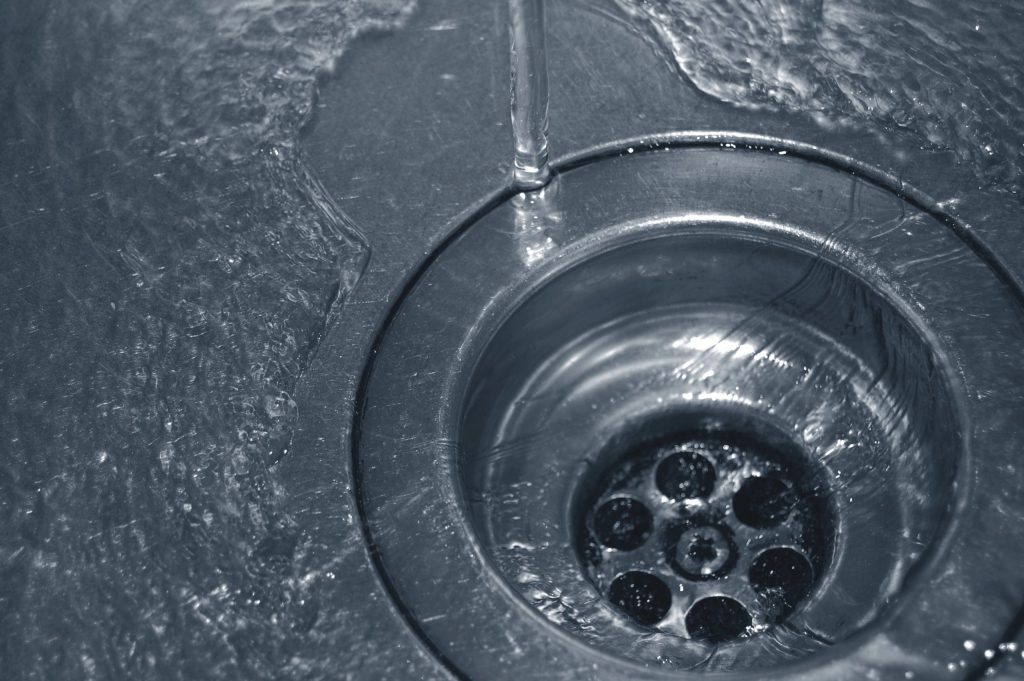
When temperatures drop extremely low, keep a small stream of water running. Moving water is less likely to freeze, especially in vulnerable areas of your home.
- Keep Cabinet Doors Open
In kitchens and bathrooms, pipes under sinks can freeze if cold air is trapped. Keep cabinet doors open so warm air can circulate around the plumbing.
- Maintain a Safe Indoor Temperature
If you leave for the holidays, set your thermostat to at least 18°C (64°F). A cold home significantly increases the risk of frozen pipes.
- Shut Off and Drain Outdoor Lines
Make sure exterior faucets are shut off and drained. Snow buildup around these lines can accelerate freezing.
- What to Do if a Pipe Freezes
If you suspect a frozen pipe (low water flow, unusual noises, condensation), act quickly:
- Warm the area gently with a hairdryer.
- Never use an open flame.
- If a pipe has burst: shut off the water immediately and call a plumber.
In Conclusion
December can be tough on plumbing systems, but proper preparation greatly reduces the risk of frozen pipes. Prevention is everything; a bit of effort now ensures a stress‑free winter without leaks, damage, or costly repairs.