Why Your Main Drain Works Twice as Hard in Winter and How to Prevent a Backup
January 9th, 2026
January brings harsh cold — and increased pressure on your plumbing system. One of the components working the hardest is your main drain. Often forgotten, it’s actually your home’s first defense against sewer backups and indoor flooding. Here’s why it’s under extra stress in winter and how to protect it.
- Grease Solidifies Faster in Cold Weather
In winter, fats harden quickly inside pipes, causing:
- buildup on pipe walls,
- reduced water flow,
- faster blockages.
Hearty winter meals like stews, fondues, and sauces also increase the amount of grease entering the drain.
- Increased Usage During Winter Months
Families spend more time indoors, especially during the holidays, leading to:
- more hot showers,
- more dishwashing,
- more laundry.
All of this adds volume and pressure on the main drain.
- Freezing Around Exterior Pipes
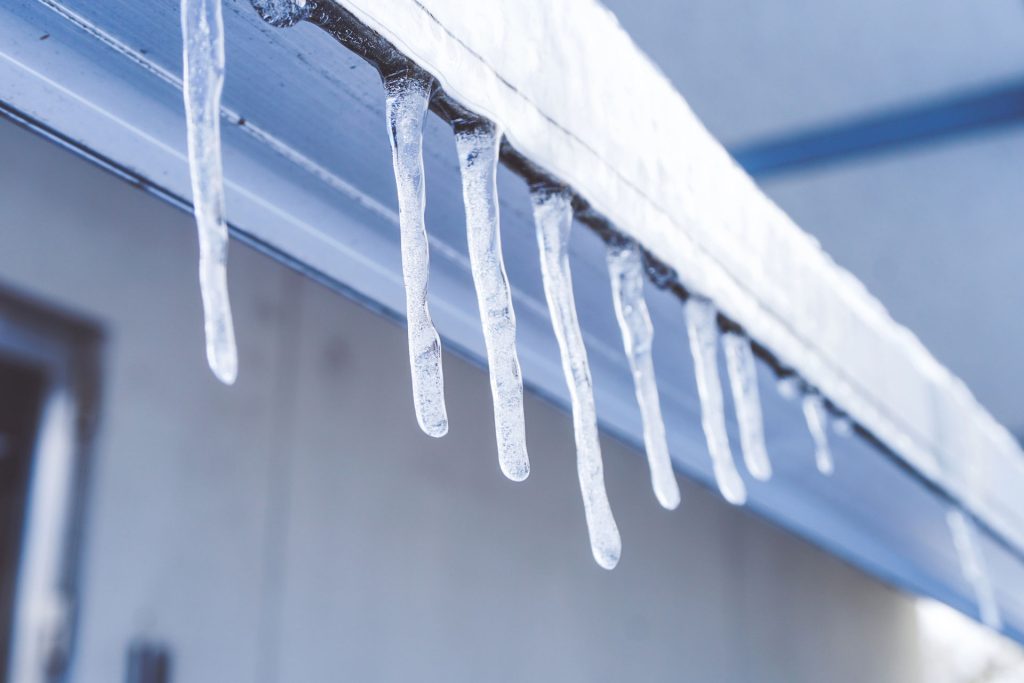
Frozen soil can press on underground pipes. If one section becomes too cold, water flow slows — making the entire line vulnerable.
- How to Prevent a Backup in January
Essential steps include:
- Never pour grease or oil down the sink; wipe pans before washing.
- Install drain screens in sinks and showers.
- Run hot water regularly to melt buildup.
- Insulate exposed piping to prevent cold spots.
- Warning Signs to Watch For
A struggling main drain always gives clues:
- gurgling sounds,
- unpleasant odors,
- slow-draining fixtures,
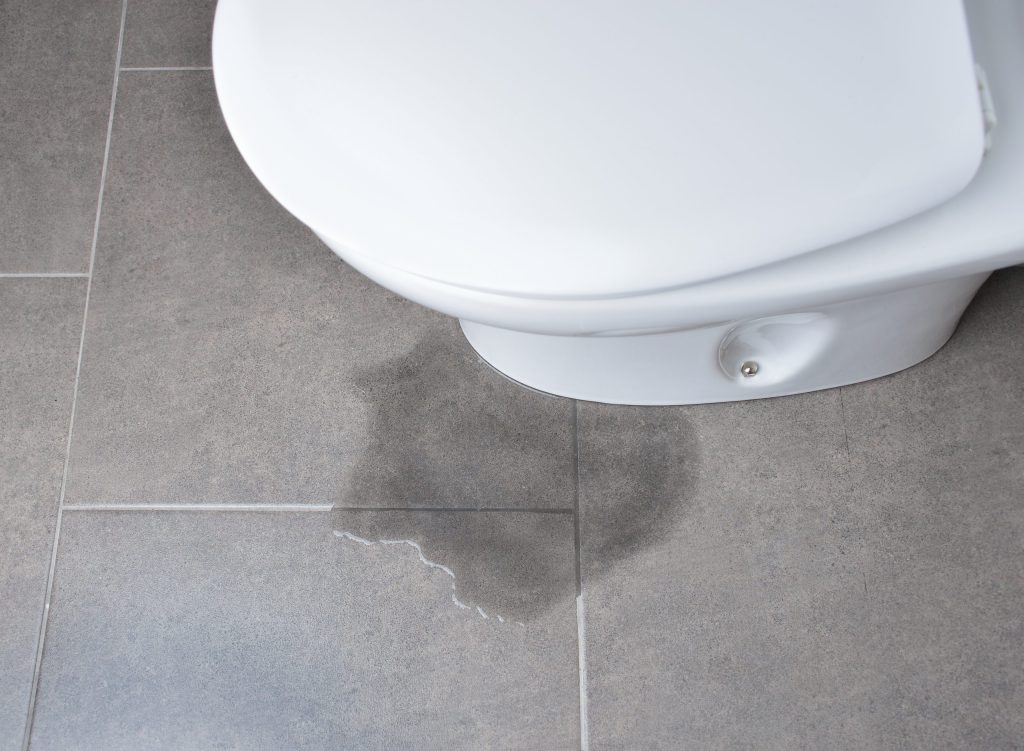
- water backing up in showers or toilets.
If you notice any of these, act quickly to avoid a major backup.
- Professional Cleaning: The Best Winter Strategy
A mechanical or hydrojet cleaning in winter can prevent most issues. A plumber can:
- remove grease blockages,
- inspect the line with a camera,
- ensure the system is safe for the rest of the season.
In summary, winter puts your main drain under heavy stress. Simple habits and preventive maintenance will keep your plumbing safe, efficient, and problem-free all season long.