Damp Basement in Spring: 5 Plumbing-Related Causes to Consider
March 11th, 2026
March is often the month when homeowners notice changes in their basements: stronger odors, increased humidity, condensation, or even minor water traces. With snowmelt and spring rain, hidden weaknesses can become visible.
Here are five common plumbing-related causes of basement humidity in spring.
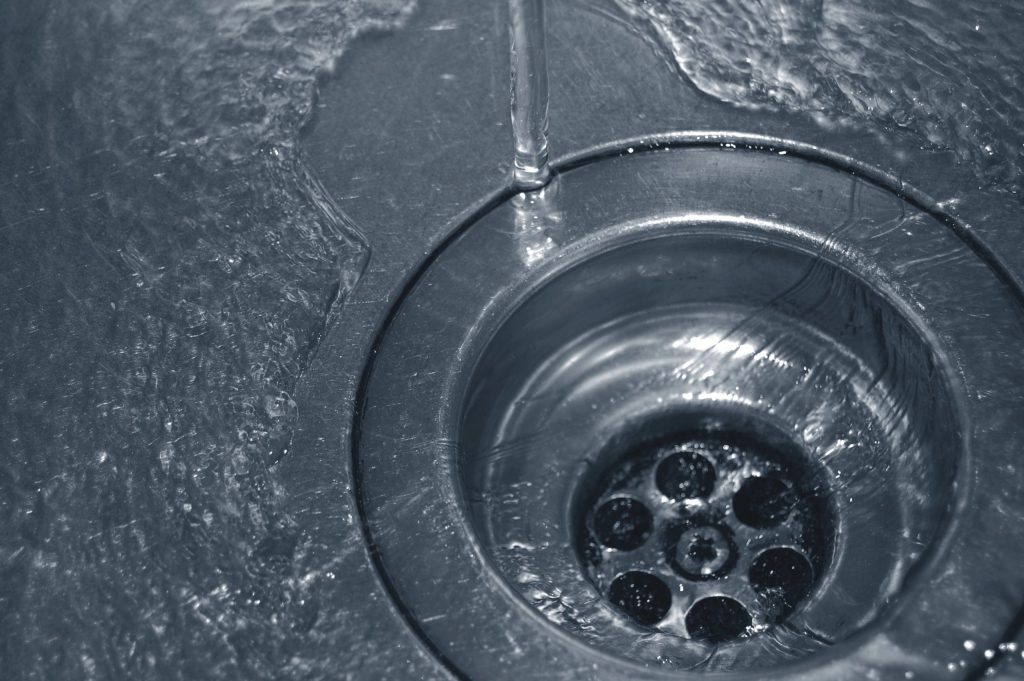
1) Partially clogged floor drain
During winter, debris can accumulate inside the floor drain. When snow begins to melt, increased water flow may lead to:
- pooling water,
- persistent odors,
- slow drainage.
Preventive cleaning can often resolve the issue.
2) Faulty backwater valve
A backwater valve prevents sewage from flowing back into your home.
If it is:
- stuck,
- poorly maintained,
- obstructed,
it increases the risk of backup during heavy spring rainfall.
3) Condensation on cold water pipes
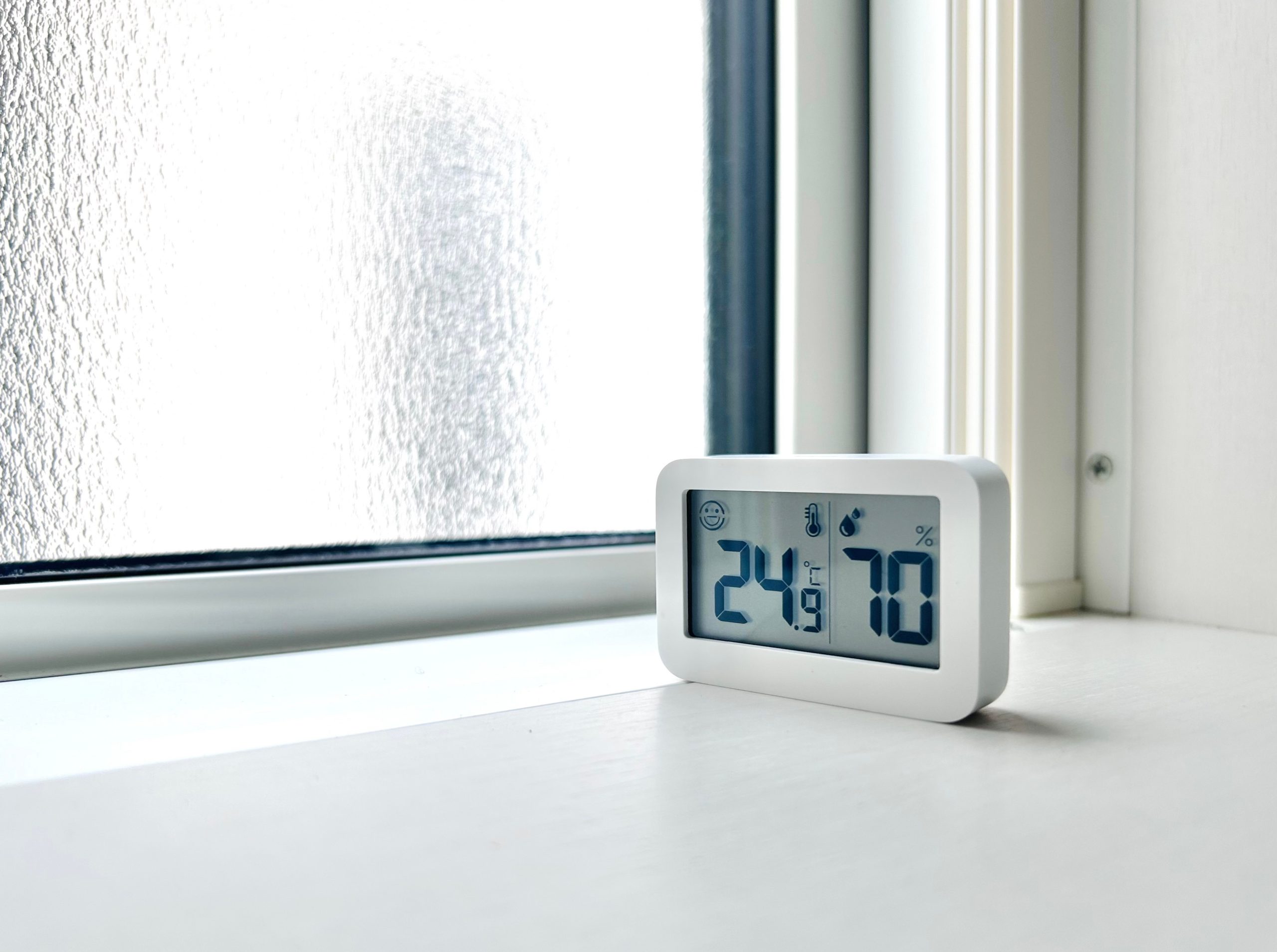
As basement air becomes more humid in spring, cold water pipes may produce condensation.
This can resemble a leak but is often caused by:
- lack of pipe insulation,
- insufficient ventilation.
Insulating pipes can significantly reduce condensation.
4) Sump pump under stress
If your home has a sump pump, March is often a critical period.
Check:
- that it activates properly,
- automatic triggers,
- discharge pipe condition.
A failing sump pump can quickly lead to water accumulation.
5) Small hidden leaks
Minor leaks at:
- fittings,
- valves,
- joints,
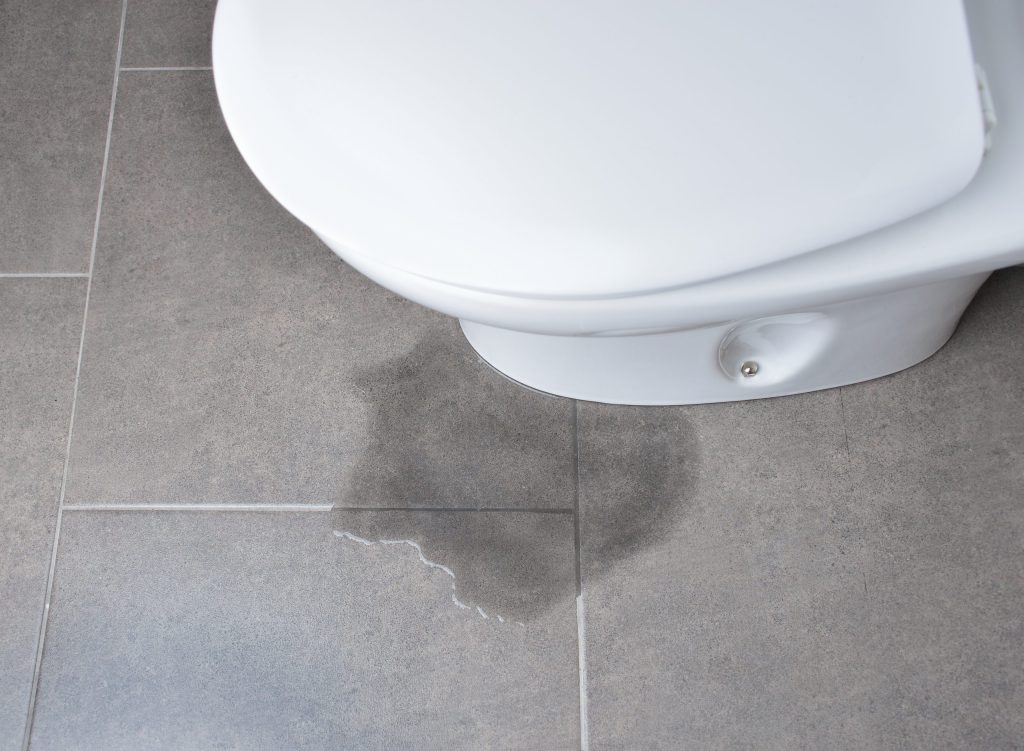
may become more noticeable as ambient humidity rises. A careful visual inspection is recommended.
When to call a professional
If you notice:
- persistent odors,
- recurring damp spots,
- repeated water accumulation,
professional evaluation can identify the root cause and prevent more serious damage.
In conclusion, a damp basement in March should not be ignored. Targeted plumbing checks can prevent costly repairs and help maintain a dry, healthy environment throughout the spring season.